
The refurbished electronics industry is no longer a niche market. Across the United States, consumers and businesses are increasingly turning to refurbished smartphones, tablets, and laptops as a cost-effective and sustainable alternative to buying new devices.
Rising flagship phone prices, longer upgrade cycles, and growing environmental awareness have all contributed to the rapid growth of the refurbished electronics sector. But as consumer expectations continue to rise, refurbishment companies face a new challenge: delivering devices that not only function like new, but also feel like new.
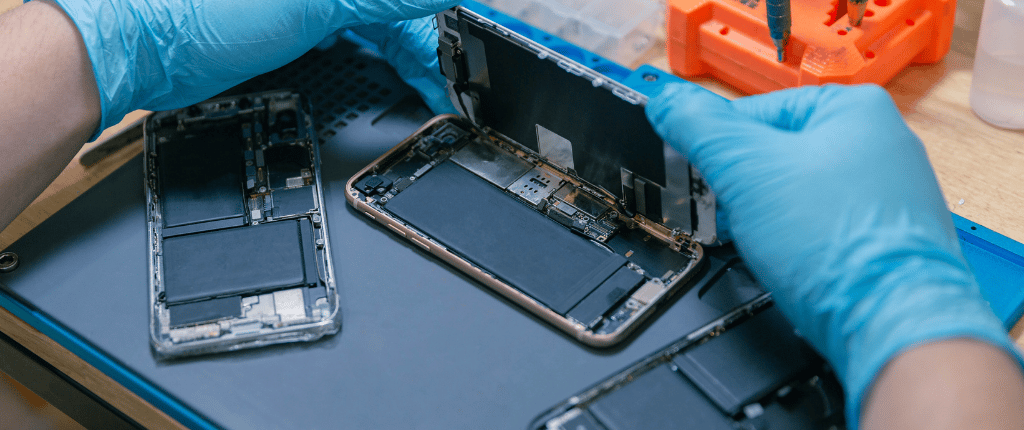
For many refurbishers, replacing damaged components is only part of the equation. Surface quality, touchscreen feel, fingerprint resistance, and overall device presentation now play a critical role in customer satisfaction and resale value.
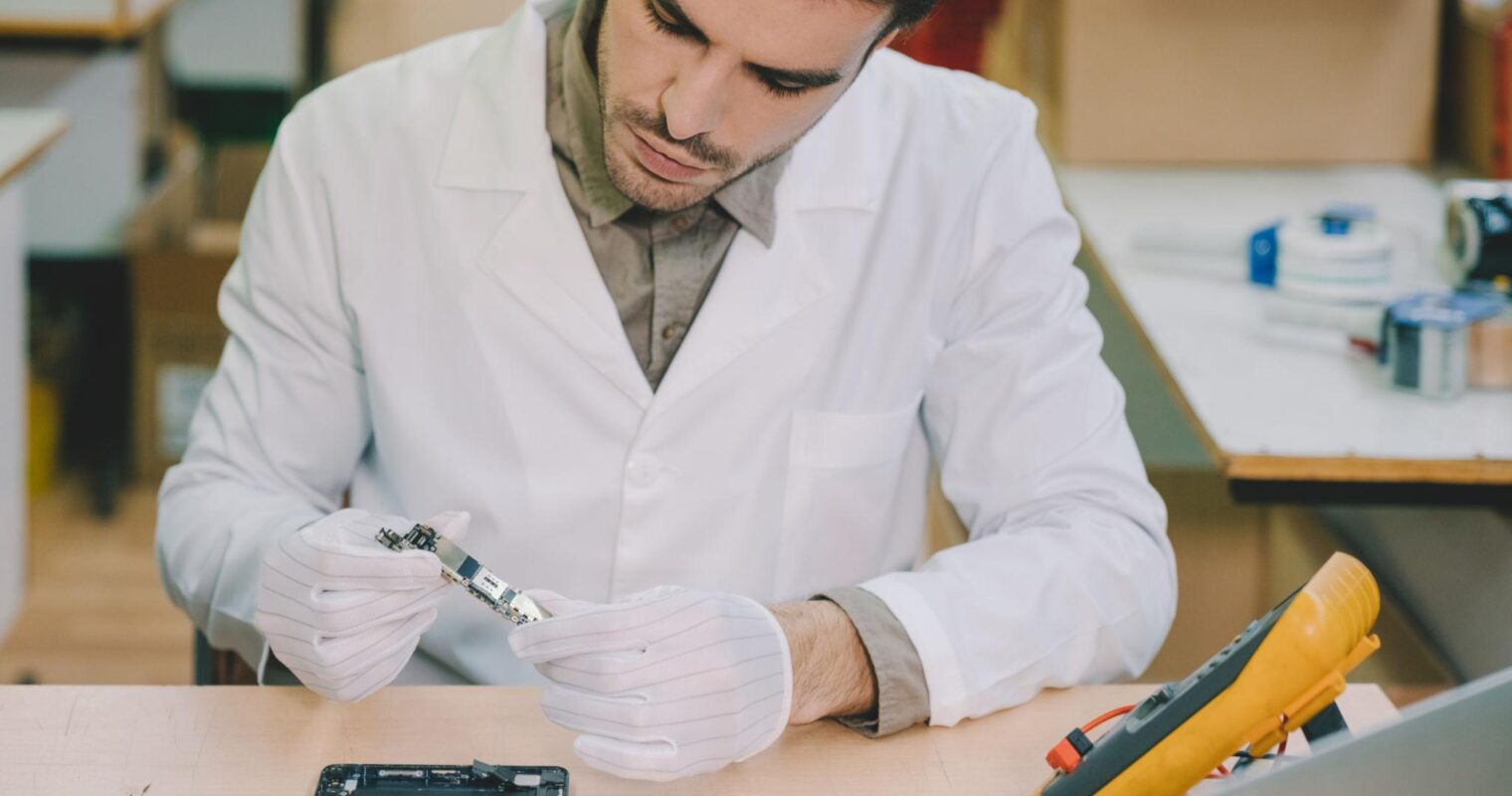
The Rapid Growth of the Refurbished Electronics Market
The average cost of premium smartphones has increased significantly over the past several years. As a result, more consumers are choosing to extend the lifespan of their devices or purchase professionally refurbished alternatives.
Businesses are also embracing refurbished electronics as a practical way to reduce technology costs while supporting sustainability initiatives. Schools, corporations, insurance providers, and device resellers are all contributing to the growth of the secondary electronics market.
This shift has created major opportunities for refurbishment companies, repair centers, wholesalers, and aftermarket service providers throughout the United States.
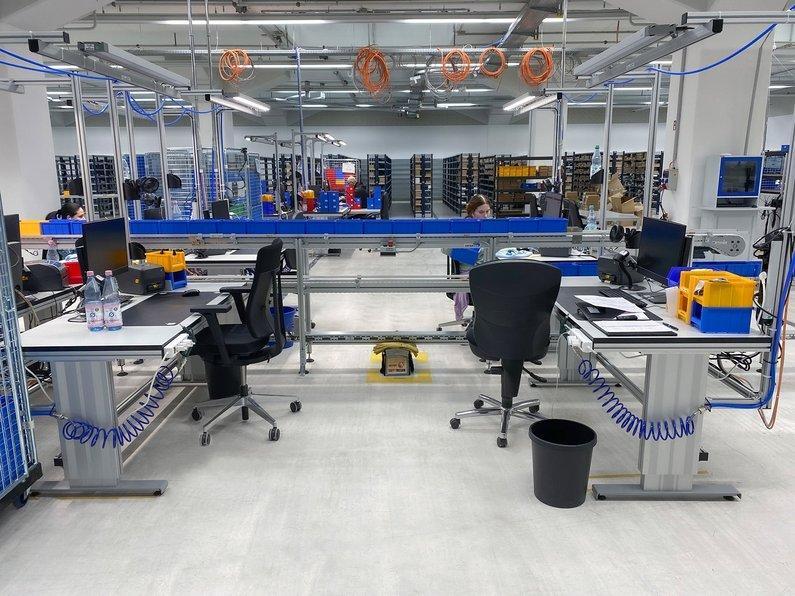
Consumers Expect More Than a Functional Device
Modern consumers expect refurbished devices to closely match the experience of purchasing a new product. While internal functionality remains essential, the physical feel and appearance of the device have become equally important.
Small details such as:
- smooth glass surfaces,
- fingerprint resistance,
- screen clarity,
- and tactile responsiveness
can strongly influence how customers perceive device quality.
Unfortunately, many refurbished devices lose their original oleophobic coating during screen replacement or heavy usage. This often results in displays that attract fingerprints more easily and feel less premium to the user.
Why Surface Protection Matters in Device Refurbishment
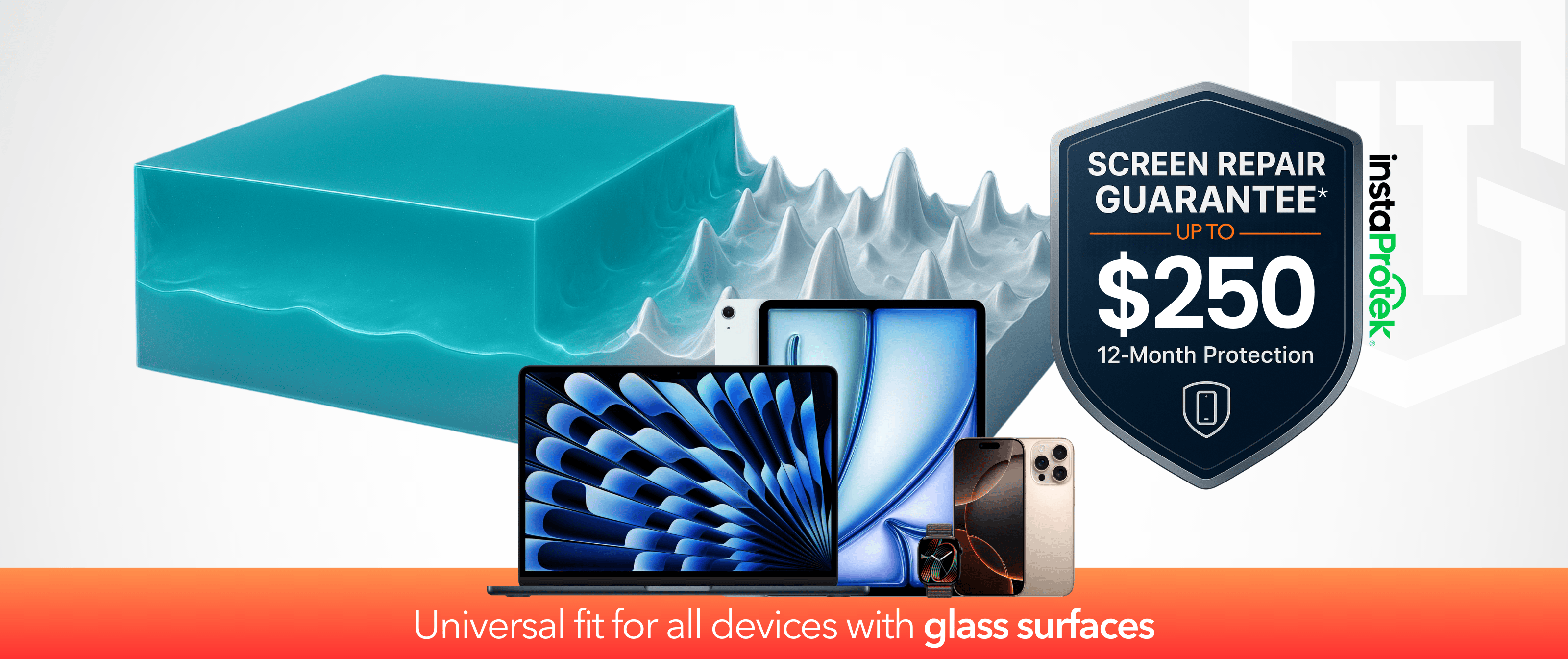
Protective surface technologies are becoming increasingly important in the refurbishment process. Advanced SiO2 liquid glass coatings can help restore performance characteristics commonly associated with new devices.
These coatings may help improve:
- surface smoothness,
- hydrophobic performance,
- scratch resistance,
- fingerprint resistance,
- and overall user experience.
For refurbishment companies, this can create additional value by improving cosmetic grading and helping devices achieve a more premium presentation before resale.
Reducing Returns and Improving Customer Satisfaction
Customer expectations for refurbished electronics continue to rise alongside competition in the market. Devices that appear worn, attract fingerprints quickly, or lack smooth touchscreen performance may lead to lower customer satisfaction and increased returns.
Refurbishment businesses that focus on both functionality and presentation can better differentiate themselves in a crowded marketplace.
Premium surface protection solutions may help businesses:
- improve perceived product quality,
- strengthen customer confidence,
- reduce complaints related to cosmetic wear,
- and support stronger resale positioning.
Sustainability and the Circular Economy
Refurbished electronics also play an important role in reducing electronic waste and supporting the circular economy.
Extending the usable lifespan of smartphones, tablets, and other consumer electronics helps reduce:
- unnecessary manufacturing demand,
- raw material consumption,
- and electronic waste entering landfills.
As sustainability becomes increasingly important to consumers and corporate buyers alike, refurbishment companies are uniquely positioned to deliver both economic and environmental value.
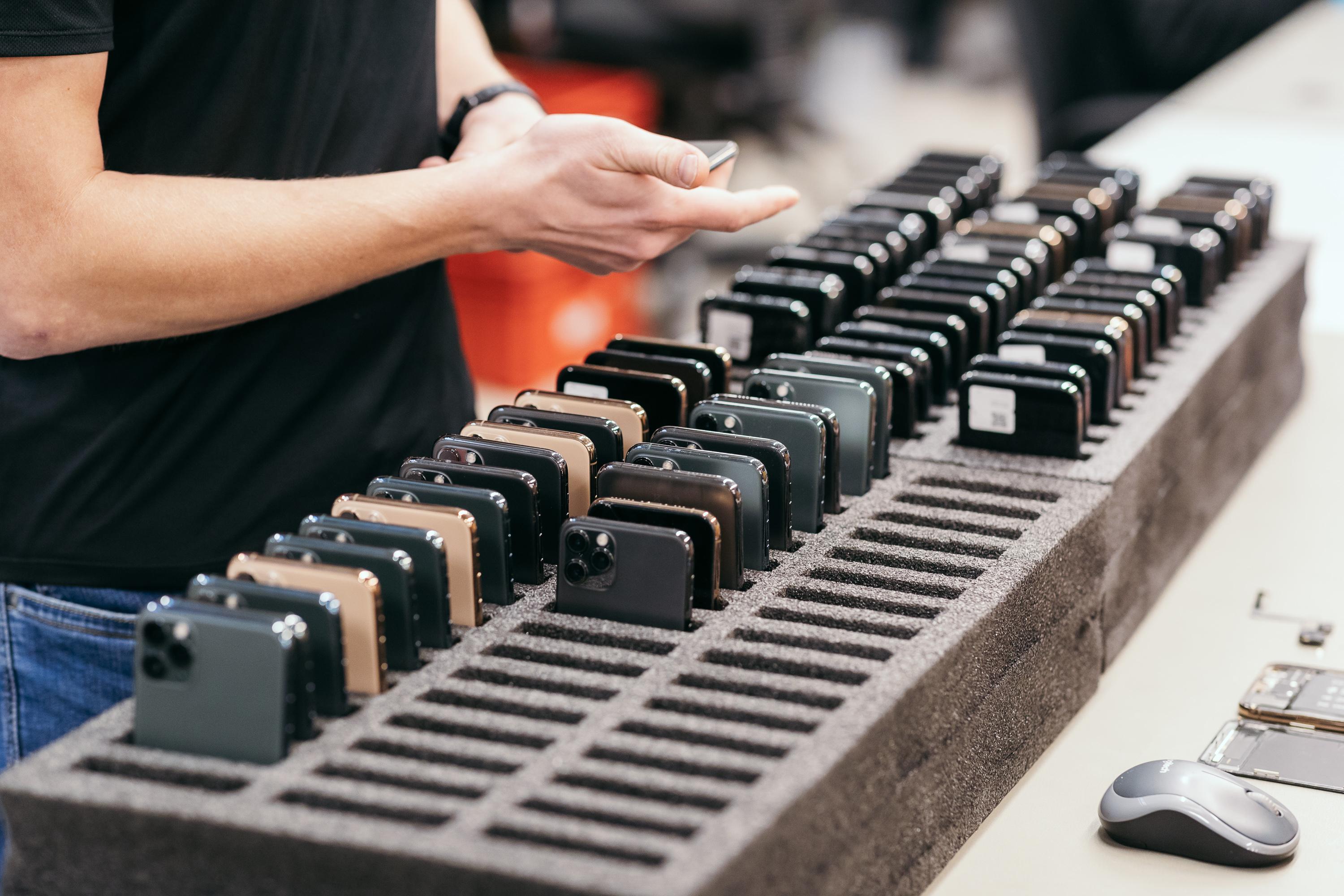
The Future of Refurbished Electronics
The refurbished electronics market is expected to continue expanding as consumers seek more affordable and sustainable technology solutions.
Companies that invest in quality refurbishment processes, advanced surface protection technologies, and premium device presentation will be better positioned to compete in this growing industry.
As the line between refurbished and new devices continues to narrow, attention to detail will become more important than ever.